
Humanity is experiencing population aging at a rapid pace, a situation that undoubtedly challenges governments and society, with the aggravating factor that we are not prepared to adequately address this situation. It is evident to everyone that old age brings with it physical, social and family changes, which, if not addressed appropriately, longevity will not be valued as a triumph of technological and scientific progress, but as a problem to be resolved.
The little gerontological knowledge and the continuous search for eternal youth has been building a gerontophobic society, which rejects old age and therefore the Elderly, which generates isolation, loneliness and in many cases violence.
The elderly person must face physical and social changes, among many others, the physical ones that normally translate into illness or assuming that their body is slower to carry out any activity or metabolic process and the social ones that refer to the processes of retirement, breaking up with work networks and not having the conditions to maintain the friendships that were once had. At the family level, widowhood can occur, which implies assuming the grief that begins to be an active part in the majority of older adults and the change of roles, since one no longer has the authority that one had before, one is no longer held. in the same way and in many instances, it is not heard.
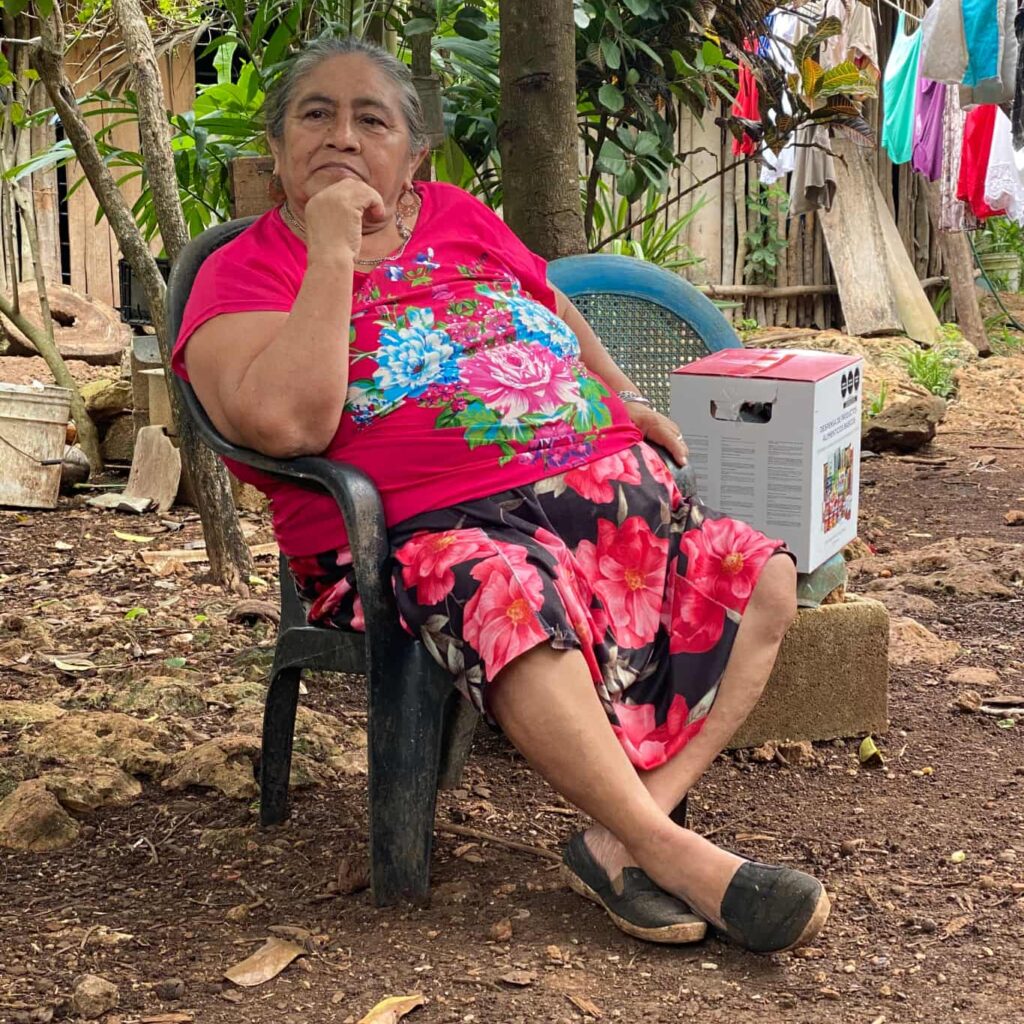
The above brings with it loneliness, which becomes the constant companion of Older Adults and can lead to depression, illness and in some cases suicide. Loneliness is defined as ‘dissatisfaction with the frequency and intimacy of social contacts or the discrepancy between the relationships they have and those they would like to have.’ (Scarimbolo, Graciela. 2016)
According to research, loneliness shortens life expectancy, when an older adult has no one to talk to, they do not feel listened to, looked at, loved, ultimately when they do not feel that their life is important to someone, their existence stops making sense. Various studies have concluded that loneliness is a risk factor for mortality comparable to a disease. The University of Chicago showed that loneliness increases the stress hormone, that is,
cortisol, and that this, in turn, is related to cardiovascular diseases, such as hypertension and risk of heart attack. (Scarimbolo, Graciela. 2016)
When carrying out a diagnosis of the situation of the Elderly in the Cedral community, we identified as a Foundation that, although it is true that they have many material deficiencies, loneliness is one of the situations that most afflicts them, some live alone and others despite living with their family they are not taken into account, no one speaks to
them, nor are they valued or respected. This is why, from the Aging with Dignity Foundation, we established two intervention strategies to mitigate the effects of loneliness: home visits and “meetings to celebrate life.”
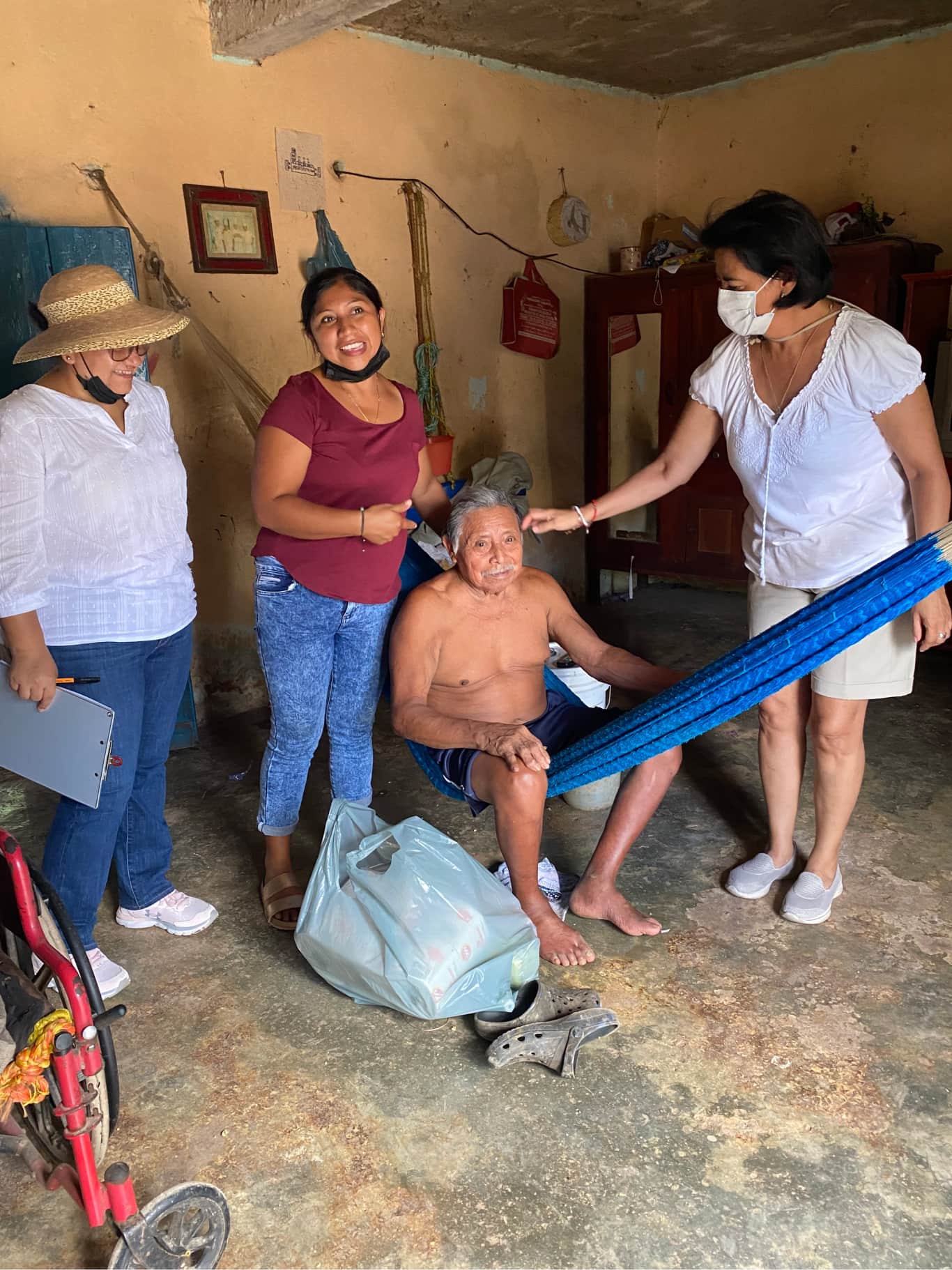
We carry out home visits on a permanent basis, giving priority to older adults who are sick or are going through a difficult situation; It is a privileged space to listen to them, share stories, knowledge and so that they can vent their anxieties and worries. This allows us to strengthen trust between the elderly person and the Foundation, in addition to knowing first-hand the needs that the Elderly has. and look for alternatives to solve them.
The “Meetings to celebrate life” are festive spaces that we hold biweekly, where physical activity, training, dance and games are carried out, this in order to strengthen the social support networks of the Elderly, generate spaces where they can meet. , talk about common topics, greet friends and family who, due to their isolation or disability, are not in the daily routine of their lives. We have verified that these spaces are bringing happiness to Older Adults.
Loneliness in old age is a big problem, but with simple and constant actions we can restore the sense of worth to the Elderly and make it possible for them to feel that there is an Institution that thinks about them, embraces them, looks at them, makes them visible and prioritizes them in the community. That is one of our main tasks as a FOUNDATION.
BIBLIOGRAPHIC REFERENCE
Scarimbolo, Graciela (2016). The loneliness of older adults, a major problem? VIII International Congress of Research and Professional Practice in Psychology XXIII Research Conferences XII Meeting of MERCOSUR Psychology Researchers. Faculty of Psychology – University of Buenos Aires, Buenos Aires.

